
How to Sell a Trucking Company in Nevada: Valuation & Process
By Jennifer Franco, Business Broker ·
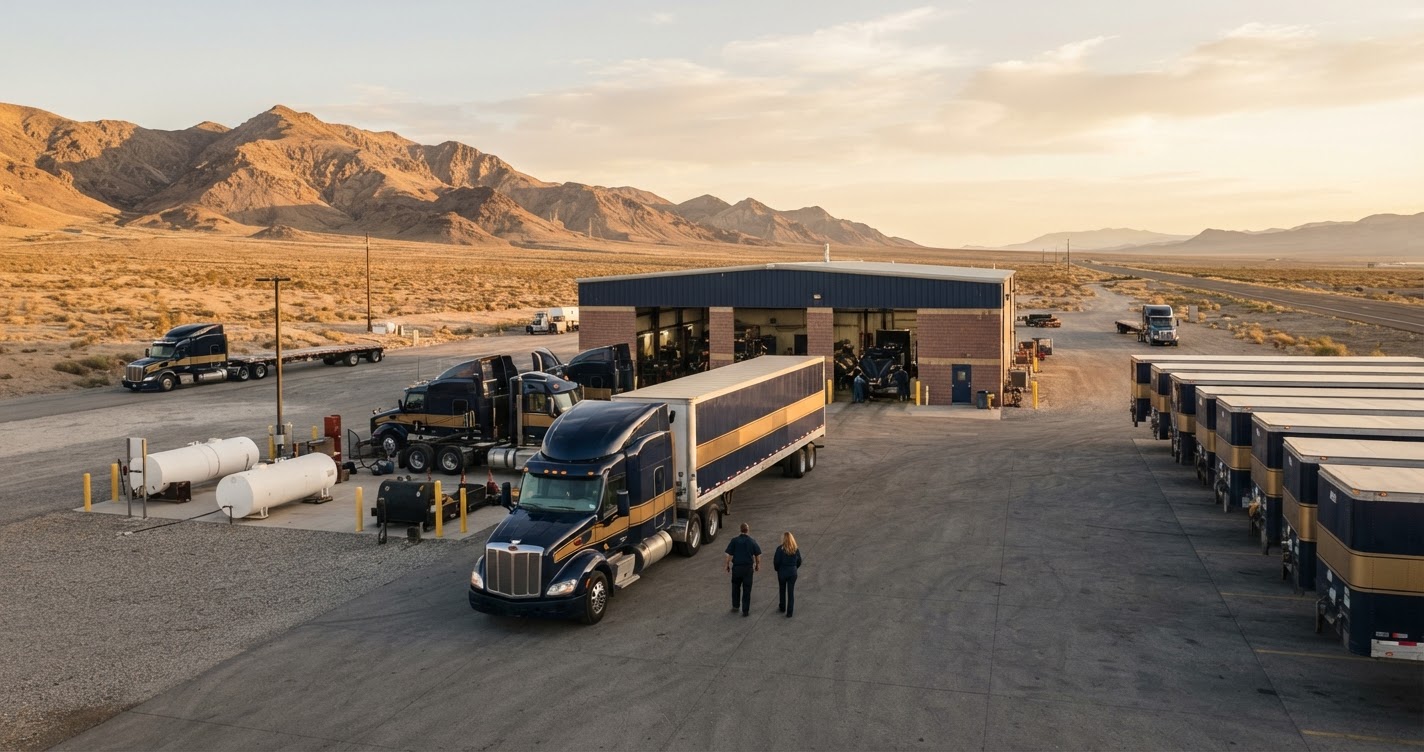
Selling a transportation, logistics, or last-mile delivery business in Nevada requires addressing operational complexities that standard business sales do not face. Buyers evaluate fleet conditions, driver stability, safety records, and dedicated client contracts to determine enterprise value. Understanding how these components translate into market value helps owners secure the highest price and best terms when exiting the industry.
Quick answer: To sell a trucking company in Nevada, owners must establish an accurate valuation based on recasted earnings (SDE or EBITDA), compile clean Department of Transportation (DOT) safety records, appraise the rolling stock, document reliable driver retention, and package transferable customer contracts. Working with a licensed Nevada business broker ensures complete confidentiality while marketing the business to qualified strategic and financial buyers.
Why Logistics and Trucking Businesses in Nevada Attract High Buyer Demand
Nevada, particularly the greater Las Vegas and Reno corridors, has become one of the premier logistics hubs in the Western United States. Positioned within an overnight drive of major Southern California ports and high-population Western markets, Nevada offers substantial strategic advantages.
Several factors drive buyer demand for Nevada transportation companies:
- Tax advantages: Nevada has no personal or corporate state income tax, making operations more profitable for both local owner-operators and out-of-state buyers relocating capital.
- Infrastructure and distribution growth: Industrial park expansions in North Las Vegas, Apex, and Henderson have brought major distribution centers to the region, creating consistent demand for regional freight, drayage, and final-mile delivery services.
- Supply chain diversification: Companies seeking alternatives to California regulatory pressures frequently look to acquire established transportation operations based in Nevada.
When positioning a company for sale, working with Jennifer Franco, business broker at Nonnie Group, helps sellers connect with qualified buyers who recognize the premium value of an established Nevada base.
Key Factors That Determine the Value of a Trucking Company
Transportation companies are typically valued using a multiple of Seller's Discretionary Earnings (SDE) for smaller owner-operator models, or Earnings Before Interest, Taxes, Depreciation, and Amortization (EBITDA) for larger, fleet-based operations. Beyond standard financial recastings, buyers focus on specific operational metrics.
| Valuation Driver | Weak Position (Lower Multiple) | Strong Position (Higher Multiple) |
|---|---|---|
| Fleet Age and Maintenance | Aging equipment, high deferred maintenance, incomplete logs | Well-maintained fleet, telematics data, detailed service records |
| Customer Concentration | Single customer represents over 40% of revenue | Diversified client base, long-term dedicated lane agreements |
| Driver Workforce | High annual turnover (over 100%), heavy reliance on spot labor | W-2 drivers with long tenure, competitive benefits, low turnover |
| Safety & Compliance | Recent DOT violations, conditional safety rating | Clean FMCSA scores, Satisfactory safety rating, active safety program |
| Revenue Predictability | 100% spot market freight | High percentage of contracted dedicated lanes or recurring routes |
Fleet Valuation: Book Value vs. Fair Market Value
Your equipment balance sheet often differs from actual market value. Buyers and lenders evaluate rolling stock through professional equipment appraisals or recent comparable sales values for tractors, trailers, and delivery vans.
Sellers must clearly distinguish between leased equipment and owned assets. Clear title on owned equipment strengthens the asset backing of the business, while transferable, favorable lease terms provide continuity without immediate capital outlays for the buyer.
Department of Transportation (DOT) Compliance and Safety Records
Safety records make or break a trucking company sale. Sophisticated buyers inspect Federal Motor Carrier Safety Administration (FMCSA) safety data, including your Safety Measurement System (SMS) percentiles and CSA scores.
Key compliance areas reviewed during due diligence include:
- Current DOT safety rating (Satisfactory, Conditional, or Unsatisfactory)
- Historical inspection violation rates for vehicles and drivers
- Driver Qualification (DQ) files, including commercial driver's license (CDL) verification and medical certifications
- Department of Transportation drug and alcohol clearinghouse records
- Hours of Service (HOS) electronic logging device (ELD) records
A clean regulatory track record allows a buyer to secure commercial insurance at standard rates, which directly protects the ongoing cash flow of the business.
Driver Retention and Human Capital
Driver shortages remain one of the most persistent hurdles in the logistics sector. A trucking business with trucks but no drivers is merely an equipment liquidation. A company with a stable, reliable team of CDL drivers commands a strong market premium.
Buyers look closely at:
- Historical turnover rates compared to industry averages
- Compensation structures, benefits packages, and home-time policies
- Driver tenure and safety bonus programs
- Mix of company W-2 drivers versus independent contractors (1099)
Maintaining strict confidentiality throughout the sales process prevents driver uncertainty and turnover. Jennifer Franco manages buyer non-disclosure agreements and screens prospects before releasing operational details, protecting your workforce stability until the transaction reaches closing.
Customer Contracts and Revenue Quality
Revenue quality dictates the multiple a buyer will pay. Businesses relying entirely on the spot freight market experience severe cash flow volatility, which introduces risk. Conversely, operations with long-term, contracted freight, dedicated runs, or contracted last-mile delivery territories provide predictable future cash flows.
During the selling process, examine your customer contracts for assignment clauses. Knowing whether contracts transfer automatically or require customer consent upon a change of ownership helps avoid closing delays.
Steps to Sell Your Logistics or Delivery Business in Nevada
Navigating a successful sale requires careful preparation and disciplined execution. Following a proven framework ensures you do not leave money on the table.
- Normalize financial statements: Recast financial statements with a broker to add back owner compensation, personal expenses, one-time equipment repairs, and non-cash depreciation.
- Obtain an independent valuation: Review market comparables to set a realistic, defensible asking price based on earnings and fleet value through a free business valuation.
- Assemble the due diligence package: Gather maintenance records, DOT audit reports, customer agreements, and equipment titles in advance.
- Confidential marketing: List the business across proprietary channels without revealing identifying details, targeting strategic buyers and private equity groups looking at Nevada logistics.
- Screen and qualify prospects: Require financial qualification and signed non-disclosure agreements before sharing the Confidential Information Memorandum (CIM).
- Negotiate offers and close: Evaluate deal structures, manage buyer due diligence, coordinate fleet inspections, and finalize legal closing documents.
Reviewing the 10-step selling strategy provides a complete roadmap for managing each stage of this transaction.
Frequently Asked Questions
Can my DOT number and operating authority transfer to the buyer?
In an asset sale, the buyer generally must apply for their own USDOT number and operating authority (MC number), though existing authority can sometimes be transferred through specific FMCSA procedures. In a stock sale of a corporate entity, the entity retains its operating authority and DOT number, provided the buyer meets all federal compliance and insurance requirements.
How are leased fleet vehicles handled when selling a delivery company?
Leased vehicles require approval from the leasing company (such as Penske, Ryder, or standard commercial finance institutions) to assign the leases to the new buyer. The buyer must meet the lessor's credit underwriting criteria, or new financing must be arranged to pay out existing leases at closing.
How long does it take to sell a transportation business in Las Vegas?
Selling a transportation or trucking business typically takes six to nine months from initial valuation to closing. The timeline depends heavily on the cleanliness of maintenance and financial records, safety ratings, and the buyer's ability to secure commercial financing or SBA lending.
Thinking About Selling Your Las Vegas Business?
If you own a trucking, logistics, or delivery business in Nevada, planning your exit strategy early ensures you capture full value for your fleet, contracts, and workforce. Jennifer Franco, business broker at Nonnie Group, provides confidential advisory services to guide you through valuation, marketing, and closing.
Get a Free Business Valuation Register as a Seller 702-848-4663
Keep Reading
Next step
Find Out What Your Business Is Worth
Confidential, no-obligation valuation for Las Vegas business owners. Or call Jennifer Franco directly at 702-848-4663.
← Back to all articles